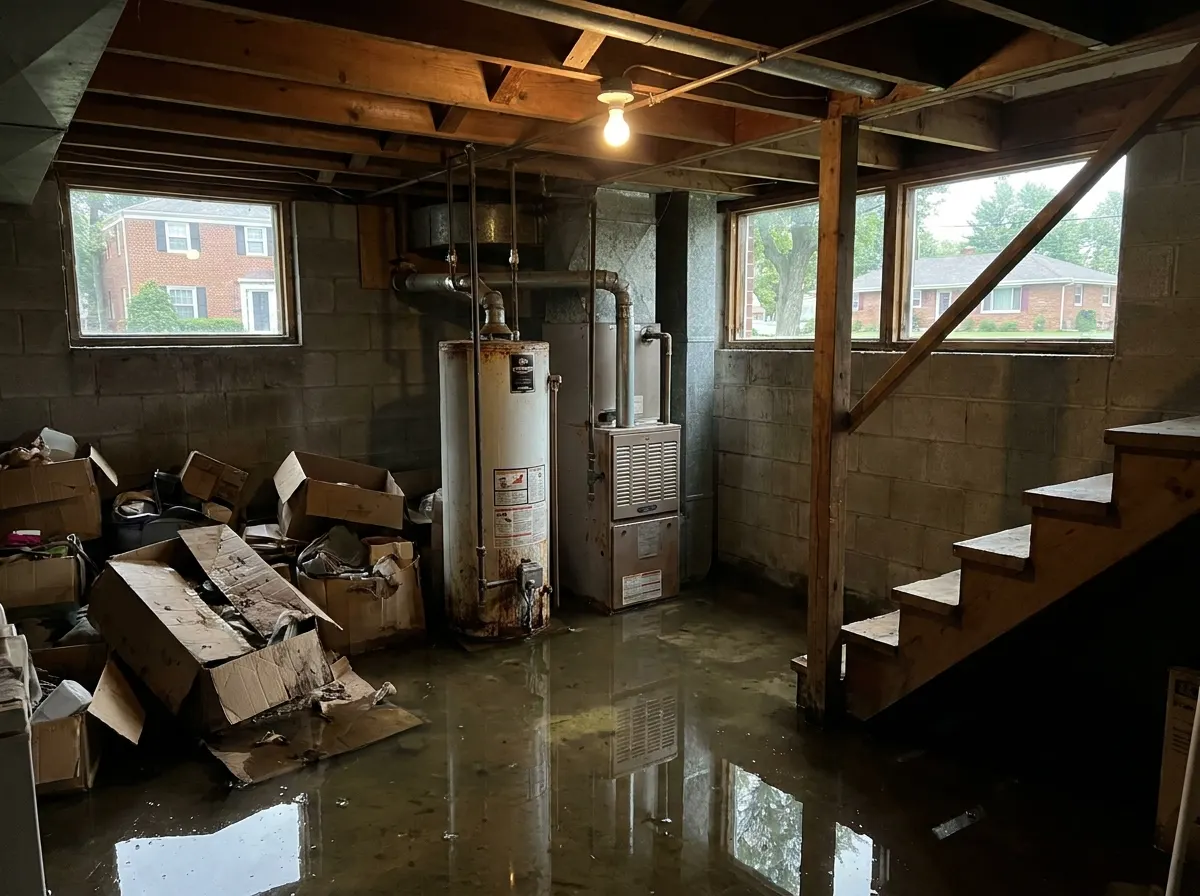
Before you step into a flooded basement
Standing water and electricity are a dangerous combination. OPPD says that if there is standing water in your home, you should have OPPD or a licensed electrician remove the electric meter. That is the only way to be sure the power is completely cut off. Do not assume your circuit breaker will protect you: if it was damaged by water, it will not trip. OPPD also recommends using the buddy system when walking through a water-logged basement, because it may be dark and the floor may be slippery.
Any electrical equipment the water touched needs to be inspected by a qualified professional before it is used again. That includes your furnace and air conditioning. Check with a heating and cooling contractor about whether those systems can be saved.
If the water may have come from a sewer backup or floodwater, treat it as contaminated until a pro tells you otherwise. The CDC recommends wearing rubber boots, rubber gloves and goggles, and keeping kids and pets out until cleanup is done. The EPA says children and pregnant people should not take part in flood cleanup at all.
Once it is safe to be in the space, take photos and video of everything before you move or throw anything out. Nebraska's Department of Insurance says to take clear photos or video of the damage.
Common causes of basement flooding in Omaha
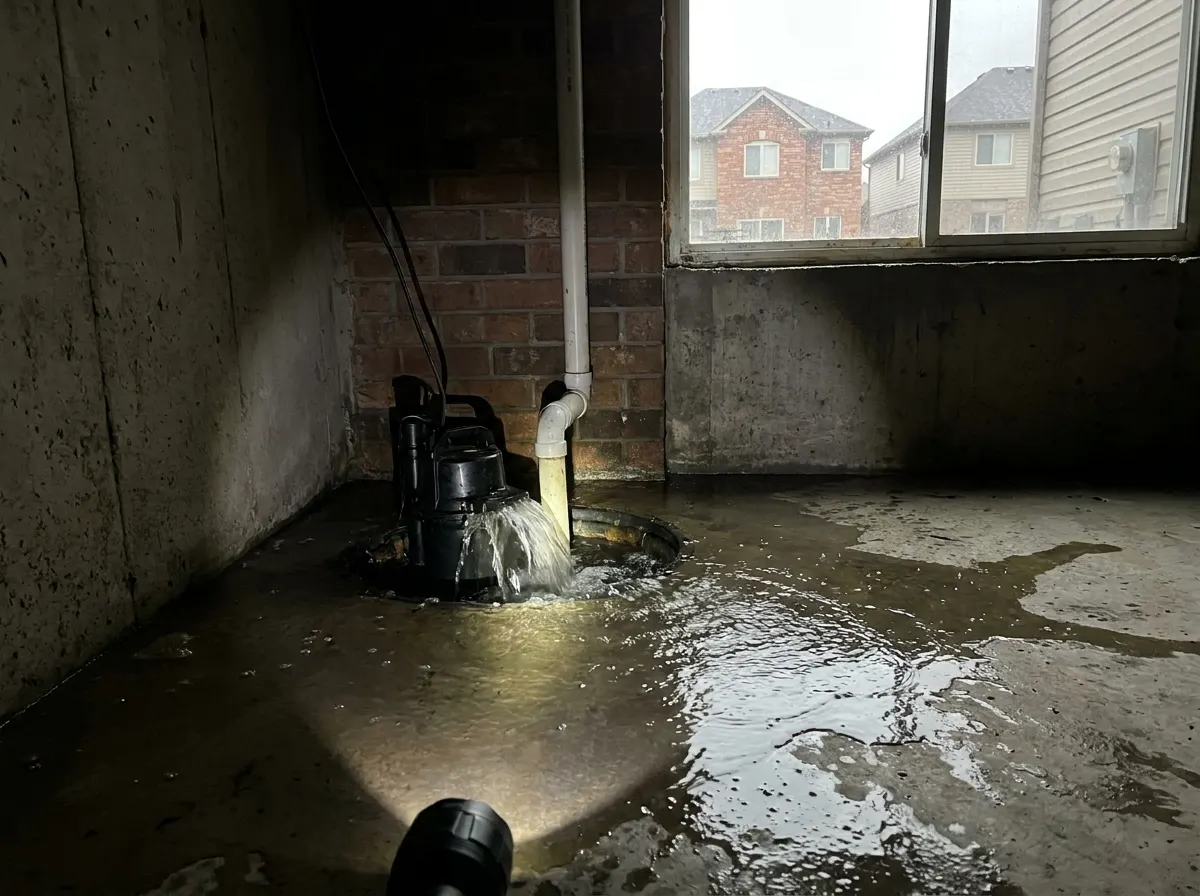
Heavy rain and flash floods
Late spring is Omaha's wettest stretch, with May the wettest month on average. The area has seen several significant rain events in recent years. On August 7, 2021, three to five inches of rain fell in about an hour, and NWS issued a flash flood emergency for part of downtown Omaha and Council Bluffs. On May 21, 2024, three inches fell in 45 minutes at 72nd and Dodge. Storms in late September and early October 2026 dropped three to locally 10 inches across southeast Nebraska and southwest Iowa, including more than eight inches near Millard, with water rescues in Omaha.
Sump pump failure
When a sump pump quits during a storm, water in the basement in Omaha can rise quickly. Omaha's code keeps groundwater and storm water out of the sanitary sewer, so sump water should go outside. If your pump ran dry or lost power at the wrong moment, a restoration company can help with the water that got in while you figure out the pump itself.
Frozen or burst pipes
Wind chills around Omaha fell to 30 to 50 below zero in January 2024, and hit 42 below in December 2022. Pipes in outside walls or unheated spaces are vulnerable. In Omaha, the homeowner owns and maintains the water service line from the house to the main, and repairs require a city-licensed master plumber and a M.U.D. permit.
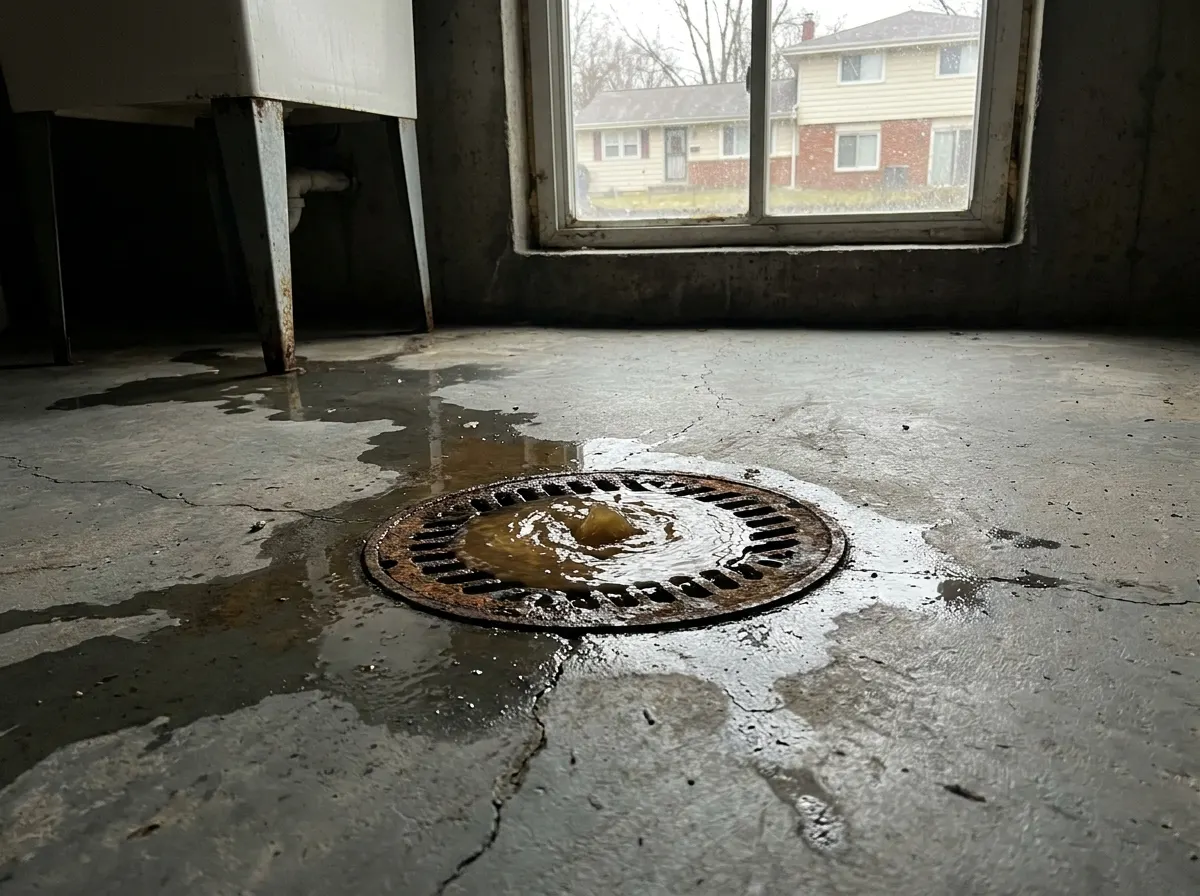
Sewer backup through the floor drain
Older parts of Omaha, including Downtown, Midtown, North and South Omaha, are on a combined sewer system where storm water and sewage share pipes. When those pipes back up, dirty water can come up through basement floor drains, tubs and toilets. Omaha homeowners reported it after the fall 2026 storms. To report street flooding or a sewer backup, call the city at 402-444-5332. Omaha has also offered a backflow valve cost-share program. A backflow valve lets wastewater leave the house but closes if sewer water tries to come back in. Ask the city for the current terms.
What has to go and what a restoration company does
The industry sorts water into categories, from clean supply-line water to grossly contaminated water like sewage or floodwater. That category determines how the job is handled and what materials can stay. The EPA says that rugs, curtains, flooring, wallboard and upholstered furniture that came into contact with sewage usually must be replaced.
A restoration company may extract standing water, set up air movers and dehumidifiers to dry the structure, and remove materials that cannot be saved. Getting things dry quickly matters: the EPA says that if wet materials are dried within 24 to 48 hours, in most cases mold won't grow.
One note on pumping: the EPA says that removing water too fast from a deeply flooded basement can crack walls and floors. That is one reason to let a professional handle the extraction rather than renting a pump and going as fast as possible.
Your basement is full of standing water and you need it gone.
That water is sitting against your furnace, your water heater, and everything you stored down there. The longer it stands, the deeper the damage goes.
One of Omaha's top-rated companies gets the water out and gets your basement dry again. Your basement becomes a basement again, not a pond.
Get the Water OutFree referral, no obligation, and you reach one of the best water damage companies in the Omaha area. Call (402) 807-0201
Insurance basics for a flooded basement
Nebraska's Department of Insurance says to hold off on permanent repairs until your insurance company has had a chance to inspect or give approval, and to keep every receipt for temporary repairs and any temporary living costs.
Nebraska's Department of Insurance also notes that homeowners policies usually do not cover flood damage. Flood coverage comes from a separate flood policy, such as the National Flood Insurance Program, and NFIP flood coverage usually starts 30 days after you buy it.
Many homeowners policies do not cover sewer and drain backups unless you added a water backup endorsement. Your policy decides what applies. FloodSmart notes that a flood policy covers a sewer backup caused by a flood, but not one caused by a clogged pipe. Check your policy or ask your agent.
Nebraska's Department of Insurance also says you do not need to sign a post-loss assignment, a contract that hands a contractor control of your insurance claim. Ask any company whether it uses them.
After the cleanup: keeping water out next time
Once the basement is dry, the next conversation is about what let the water in. Depending on the cause, that might mean looking at basement waterproofing in Omaha, a sump pump installation, or basement leak repair. Those are separate projects from restoration, but worth thinking about once the immediate situation is resolved.
What to ask before you hire a company
Get multiple estimates, do not sign a contract right away, do not pay the full bill in advance, and get everything in writing. All contractors working in Nebraska must register with the Nebraska Department of Labor. You can search at dol.nebraska.gov or call 402-471-2239. Registration does not guarantee the quality of their work, but it is a starting point. Nebraska's Attorney General says you can cancel a contract within three days if you signed it at your home.
Frequently asked questions
Can I clean up a flooded basement myself?
For a small amount of clean water from a known source, some homeowners handle it on their own. For anything larger, anything that may involve sewage or floodwater, or any situation where you are not sure where the water came from, a professional is worth calling. Contaminated water can make people sick. Getting a quote costs nothing.
Is water coming up through my floor drain sewage?
It depends on what backed up into the drain. In parts of Omaha on a combined sewer system, storm events can push a mix of storm water and sewage back through floor drains. Treat it as contaminated until a professional tells you otherwise.
Will my homeowners policy pay for a flooded basement?
Your policy decides. Flood damage and sewer backups are often handled differently from a burst pipe, as covered above. Contact your agent as soon as possible and ask what your specific policy covers.
Standing water in the basement is not a wait-and-see situation.
Call now or fill out the form to get connected with one of Omaha's top-rated water damage restoration companies.